

3mm mirror cut to size
The Significance of Fence Spikes A Barrier to Unwanted Intrusions Fence spikes, often referred to as anti-climb spikes or razor wire, are a critical element in the realm of security and boundary demarcation. They are not just an ordinary architectural feature; they are a powerful deterrent against potential intruders. These sharp, menacing structures serve as a physical barrier that discourages unauthorized access, ensuring the safety and privacy of the premises they protect. Fence spikes come in various forms, from traditional metal spikes to more modern designs like barbed wire and razor ribbon. Their primary function is to prevent individuals from scaling over fences, thus making it extremely difficult for trespassers to bypass security measures. The design of fence spikes is intentionally intimidating, acting as a psychological deterrent even before any physical attempt at climbing is made. The installation of fence spikes is a strategic decision, often employed in high-security areas such as military bases, prisons, government facilities, and even residential properties. They add an extra layer of protection to an already existing fence, enhancing its security capabilities. In a world where security threats are increasingly prevalent, fence spikes have become an essential component of many security systems. Moreover, fence spikes are not only about security; they also contribute to aesthetics. While their primary purpose is functional, they can also lend a touch of sophistication and elegance to a property's perimeter when integrated tastefully While their primary purpose is functional, they can also lend a touch of sophistication and elegance to a property's perimeter when integrated tastefully While their primary purpose is functional, they can also lend a touch of sophistication and elegance to a property's perimeter when integrated tastefully While their primary purpose is functional, they can also lend a touch of sophistication and elegance to a property's perimeter when integrated tastefully fence spikes . They can be customized to complement the overall design and architecture, turning a simple fence into a formidable yet stylish boundary. However, it's crucial to remember that with their effectiveness comes a level of responsibility. The use of fence spikes should always adhere to local laws and regulations, ensuring they do not pose a risk to public safety. It's also important to install them professionally to minimize the risk of injury to authorized personnel or animals. In conclusion, fence spikes are more than just a physical barrier; they represent a commitment to safety and privacy. They symbolize the proactive approach towards security, deterring potential threats before they occur. Whether it's a commercial complex or a private residence, fence spikes stand as silent sentinels, guarding the perimeter with an unwavering vigilance. They are a testament to the fact that sometimes, the best defense is a strong and visible offense.
about
3mm mirror cut to size
Understanding the 4% Foot Level A Guide to Accurate Measurements with a Ruler Precision in measurements is essential in various fields, from engineering and architecture to art and crafting. When working with a ruler, one common reference point that often arises is the 4% foot level. This term generally refers to a method of taking measurements that ensures accuracy, particularly when it comes to ensuring consistency across different scales or dimensions. In this article, we will explore the importance of the 4% foot level, how to measure effectively with a ruler, and share practical tips for achieving precision in your measurements. What is the 4% Foot Level? The concept of the 4% foot level is grounded in the idea of taking measurements from a standardized point. In practical terms, it often signifies that measurements should be made at a height that is representative or indicative of typical conditions. This is particularly relevant in fields such as geology, construction, and landscaping where elevation can significantly impact results. For example, when surveying land or assessing soil composition, measurements taken at a specific height (like 4% of the total foot or elevation) ensure that that data is reliable and reflects the general state of the area being examined. This standardization helps mitigate discrepancies that may arise due to variations in the measurement point's height or location. The Importance of Accurate Measurements Accurate measurements are fundamental across multiple disciplines. In engineering, even the slightest error can lead to structural failures or costly redesigns. In crafting, precise dimensions ensure that pieces fit together perfectly. The goal of achieving a 4% foot level is to help mitigate the risk of human error and variations in technique by adhering to a systematic approach to measurement. Moreover, in fields like real estate and landscaping, accurate measurements can affect everything from property appraisal to the geometry of outdoor spaces. A slight error in height or distance could drastically change the use or presentation of a space. Therefore, understanding how to attain and maintain the 4% foot level is crucial for professionals and hobbyists alike. How to Measure Accurately with a Ruler 4 foot level with ruler 1. Select the Right Ruler Depending on your project, using the right ruler is essential. For most construction projects, a standard 12 or 36-inch ruler works well. For fine detail work, a smaller, more precise ruler (like a caliper) may be necessary. 2. Positioning When measuring, ensure your ruler is placed flat against the surface you are measuring. This avoids potential errors due to angles or misalignment. 3. Consistent Point Always measure from the same point on the ruler (usually the zero mark). Avoid starting from arbitrary points as this can lead to inconsistent readings. 4. 4% Height Measurement If applicable, ensure that when measuring heights (for instance, in landscaping), you start at the 4% foot level for greater consistency. This means determining the baseline height and then measuring up from that point. 5. Double-Check Always measure twice or even thrice for assurance. This redundancy helps catch any potential mistakes, especially in intricate projects. 6. Use Additional Tools For larger measurements where a standard ruler is impractical, consider using measuring tapes, laser measurers, or digital calipers. These tools can provide more accurate and easier measurements for large distances. Conclusion The emphasis on maintaining a 4% foot level while measuring is an important practice that highlights the significance of standardization in measurement techniques. By applying appropriate methods and tools, individuals can ensure their work is precise and reliable. Whether you’re a professional in engineering or an enthusiast in crafting, understanding and implementing the concept of 4% foot level measurements can greatly improve the quality of your projects and outcomes. Ultimately, accurate measurements lay the foundation for successful endeavors, enabling us to create with confidence and precision.
-

High quality industrial productsagement

High quality industrial products
View Details -

Meet the diverse needs of customers

Meet the diverse needs of customers
View Details -

Strict quality control

Strict quality control
View Details -

Top raw materials

Top raw materials
View Details -

Trusted supplier

Trusted supplier
View Details
Our application


news and information

Van cửa niêm phong mềm điện
Van cổng 150mm, một trong những sản phẩm quan trọng trong ngành công nghiệp, đóng vai trò tối ưu hóa

What Are the Different Types of Gate Valves_
When diving into the world of industrial flow control, understanding the various types of gate valve

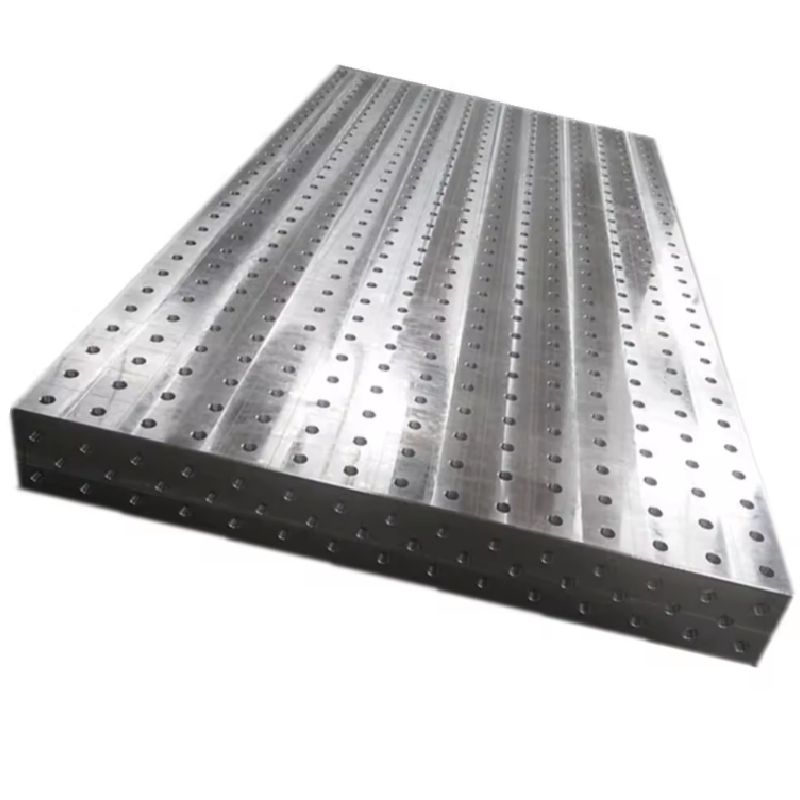
Welding and Fabrication Techniques for Efficient Metal Assembly and Construction
Understanding the Welding Fabrication Table A Comprehensive Overview Welding fabrication tables play
 English